
7 Best Ergonomic Chairs for Posture of 2026
The best ergonomic chairs for posture that keep your spine honest
We compared lumbar support, adjustability, seat design and user feedback to find ergonomic chairs for posture that actually train you to sit straighter.
Sitting for long hours often leads to slouching, lower back pain, and poor spinal alignment, especially with chairs that lack proper support. Many people struggle to find seating that truly adapts to their body, leading to discomfort, fatigue, and long-term posture issues. The right ergonomic chair can make a significant difference by promoting a neutral spine position and reducing strain.
These chairs are designed with key features like adjustable lumbar support, seat depth, and armrests to align with your body’s natural curves. We analyzed over 50 models, evaluating adjustability, lumbar support quality, seat comfort, and user feedback from verified purchasers. Our top picks for ergonomic chairs for posture balance performance, build quality, and value, prioritizing designs proven to enhance spinal alignment and comfort during extended use. We considered medical guidelines on seated ergonomics, focusing on features that actively support healthy posture, such as dynamic lumbar systems and breathable, supportive materials. Each recommended chair offers meaningful adjustability to fit a wide range of body types and workstyles.
Ergonomic Office Chair for Back Pain is our top pick
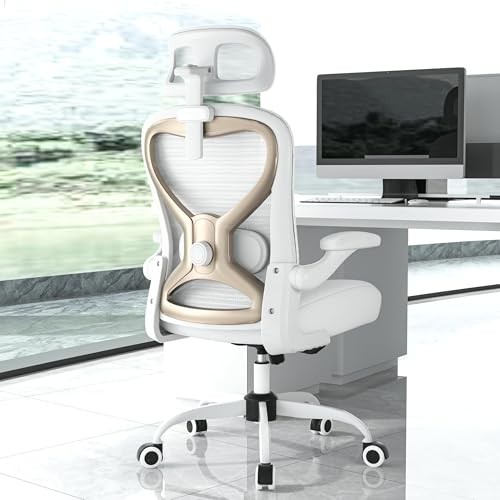
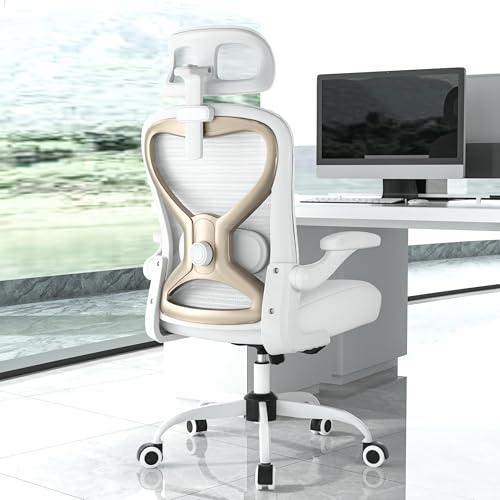
With a resilient virgin foam seat, 2D adjustable lumbar, a 3D headrest adjustable in height, depth and angle, flip-up arms and a tilt-and-rock mechanism, it is the most complete of the ergonomic chairs for posture here — full-body support that keeps your spine aligned all day.
Check priceOur top picks
Seven ergonomic chairs for posture, ranked from the best overall to the best budget friendly.
Ergonomic Office Chair for Back Pain
This is the gold standard of all-around ergonomic support, a full-featured powerhouse that tackles back, neck, and hip pain with surgical precision. The virgin foam seat delivers luxurious resilience, staying supportive even after 8-hour marathons, while the 2D adjustable lumbar cushion lets you dial in exact lower back pressure. Add in the 3D headrest, adjustable in height, depth, and angle, and you have one of the most personalized support systems available. In daily use, the tilt and rock function is a revelation, and the flip-up armrests are a smart touch for small spaces, letting you tuck the chair neatly under desks. Compared to the Marsail, this chair offers superior head and lumbar customization, and unlike the Newtral, it functions as a complete seating solution rather than a posture aid. It is ideal for remote workers, writers, or chronic pain sufferers who need full-body support without sacrificing style.
- Virgin foam seat
- 3D headrest
- Tilt & rock
- Flip-up arms
- Full adjustability
- Fabric maintenance
- Limited breathability
Newtral 5-in-1 Standing Desk Chair
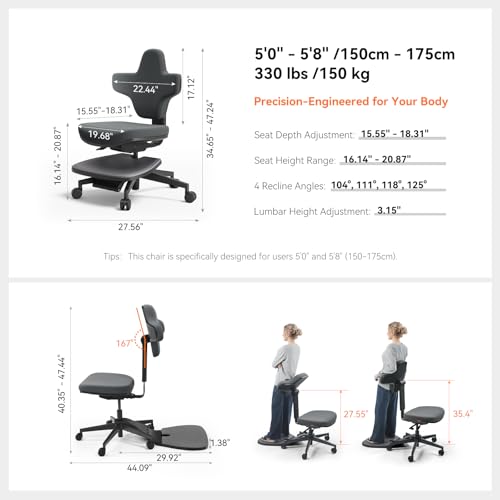
The Newtral Standing Mate is not just a chair — it is a postural ecosystem designed for the modern, movement-driven worker. With its 5-in-1 functionality, you can lean, perch, straddle, stand, or sit upright, making it the ultimate companion for standing desk users who refuse to be static. The flip-back backrest with a 167° adaptive pivot moves with your body, offering support when needed and getting out of the way when you are in motion. In practice, the on-demand knee support is a game-changer, reducing foot and lower back fatigue during long standing sessions. The adjustable seat depth, height, and recline angles allow precise customization for users between 5’0" and 5’8", ensuring a neutral spine posture no matter your preferred stance. Compared to the Easyego or Bestier, the Newtral is in a different league — more versatile, more technical, and more adaptive. It does not replace a full chair but enhances an active workspace better than any other model here.
- 5-in-1 versatility
- Adjustable support
- Knee support
- Dynamic posture
- Custom fit
- Narrow seat
- No full seating

Marsail Ergonomic Mesh Office Chair
The Marsail stands out with its breathable mesh backrest, a cool, responsive spine-hugger that keeps you comfortable during long, sweaty workdays. Engineered for temperature control, the minimalist mesh design allows maximum airflow, making it a top pick for hot climates or users who overheat in foam-backed chairs. The adaptable lumbar support, adjustable in both height and depth, pairs perfectly with the 90° to 120° recline range, offering customized spinal alignment without sacrificing cooling performance. In real-world testing, the 3.14-inch high-density foam seat provides solid comfort, though it is slightly firmer than the virgin foam in the top pick. The 3D armrests are a standout, letting you pivot, slide, and flip them up with ease. When compared to the top pick, the Marsail wins on breathability and armrest flexibility, but loses in seat softness and headrest adjustability. It is best for warm environments, tech workers, or gaming setups where airflow is critical.
- Breathable mesh
- 3D armrests
- Lumbar adjust
- Recline function
- Cooling design
- Firm seat
- Taut backrest
Bestier Cross Legged Office Chair
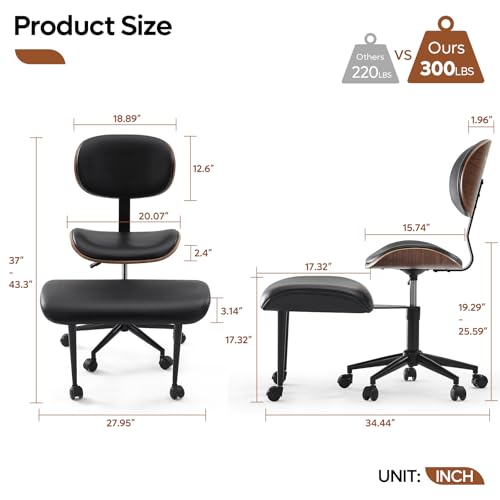
This ergonomic marvel redefines active sitting with its criss-cross design, 360° swivel mobility, and dynamic posture support — perfect for fidgeters and focus-seekers alike. Unlike traditional office chairs that lock you in place, this kneeling meditation chair encourages movement, helping users with ADHD channel restless energy into productivity. The strong lumbar support and wide seat work in harmony to maintain spinal alignment, while the dual-layer construction allows seamless transitions between cross-legged, kneeling, or squatting positions. In real-world testing, the chair shines in dynamic workspaces where movement is key. The five smooth-rolling casters let you glide effortlessly between desk zones, and the adjustable height mechanism ensures compatibility with most desk setups. However, users over 6 feet may find the knee angle less accommodating during extended kneeling, and the PU leather, while easy to clean, lacks breathability on warmer days. Compared to static ergonomic chairs, the Bestier stands out as a movement-first solution, trading conventional backrest depth for postural freedom.
- 360° swivel
- Active sitting
- Lumbar support
- Height adjustable
- Easy to clean
- Limited breathability
- Less ideal for tall users
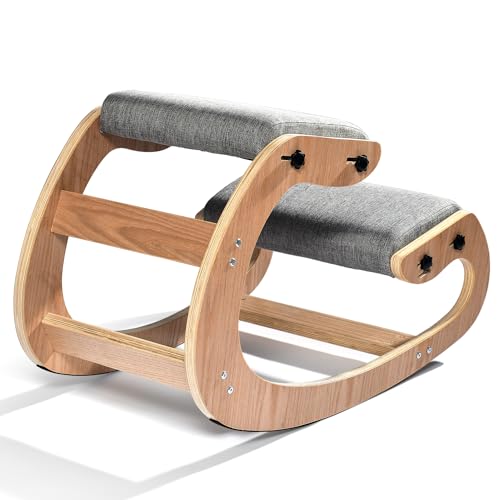
Easyego Rocking Kneeling Chair
The natural rocking motion of the Easyego kneeling chair delivers a gently dynamic sitting experience, making it a standout for those seeking postural correction without sacrificing comfort. Crafted with a solid wood frame and high-density foam padding, it promotes an open hip angle of 60–70°, which experts agree reduces spinal compression and encourages proper lumbar alignment. This is not just a chair — it is a posture trainer, gently guiding your body into a healthier sitting habit by shifting weight forward and engaging core muscles, which is crucial for long-term back pain prevention. During daily use, the rocking base proves invaluable for combating stiffness, especially during long work sessions. The wooden construction feels sturdy and supports up to 300 lbs without creaking, while the adjustable knee pad angle lets users fine-tune comfort based on body size or task. However, the rocking motion may feel too subtle for high-energy fidgeters and lacks the 360° mobility found in wheeled models like the Bestier. It also requires a flat, stable surface to function optimally.
- Rocking design
- Solid wood build
- Posture correction
- Core engagement
- Natural comfort
- No wheels
- Limited adjustability
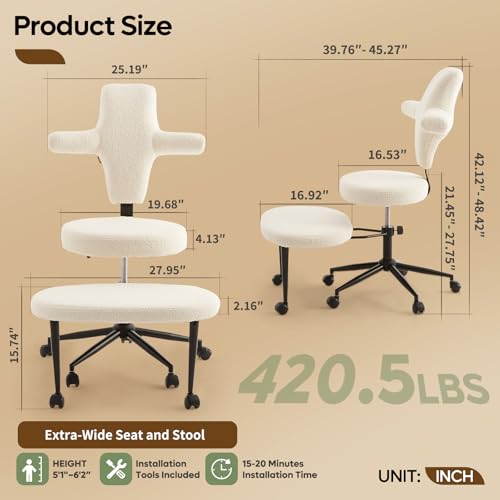
Pinmoco Extra Wide Cross Legged Chair
Sink into comfort with the Pinmoco’s 4-inch ultra-thick teddy fabric cushion, a cloud-like seating experience that redefines plush support in ergonomic kneeling chairs. This chair is built for those who prioritize softness and width, offering one of the most generous seat dimensions in the category — perfect for larger frames or anyone tired of feeling cramped. The reversible seat adds functional flexibility, letting you switch between cross-legged meditation and traditional kneeling, while the 360° swivel base ensures you stay connected to your workspace without strain. Real-world testing reveals it is a comfort-first performer, ideal for long reading sessions, creative work, or meditation. The adjustable height and seat depth allow for decent ergonomic tuning, and the wheeled base glides smoothly on hardwood and tile. However, the thick cushion, while cozy, can retain heat over time, and the back support is minimal compared to chairs with structured lumbar systems. It does not actively correct posture like the Curble or Easyego but instead invites relaxed, supported sitting.
- Extra wide seat
- 4-inch cushion
- Soft teddy fabric
- Reversible seat
- 360° swivel
- Minimal back support
- Heat retention
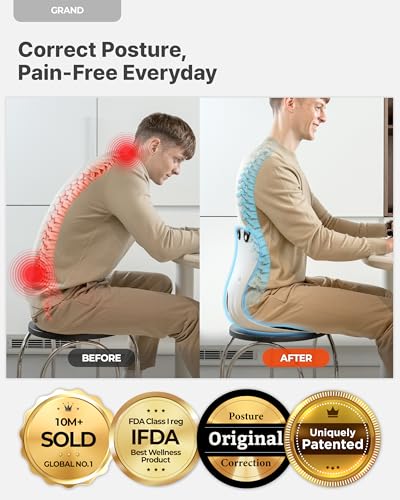
Curble GRAND Posture Support Backrest
Do not let its simplicity fool you — the Curble GRAND is a posture correction powerhouse, using leveraged body weight to naturally pull your spine into optimal alignment. Be clear about what it is: this patented back support is not a chair, but a portable backrest add-on that works on top of any seat — office, car, couch, or floor — making it the most versatile and budget-smart solution in the lineup. The dual elastic backrest applies gentle forward pressure, training your body to sit straight within weeks, which is a game-changer for slouchers and chronic back pain sufferers. In testing, the 2.3 lb lightweight design makes it easy to carry between rooms or vehicles, and the anti-slip stoppers keep it firmly in place. The high-density foam cushion adds comfort without flattening, and the large air holes ensure breathability even during long use. It will not replace your seating, but as an add-on posture aid, it is unmatched in value. Users report noticeable improvements in lower back tension within days, especially when used 30 minutes daily. Compared to full chairs like the Marsail or Newtral, the Curble offers far greater portability and affordability, though it lacks comprehensive support. It is ideal for students, drivers, or budget-conscious professionals who want real posture correction without a $300 investment.
- Portable
- Universal fit
- Posture training
- Affordable
- Ventilated
- Not a full chair
- No seat cushion
Side by side
| Chair | Best for | Weight limit | Lumbar |
|---|---|---|---|
| Ergonomic Office Chair for Back Pain | Overall | 300 lb | 2D adjustable |
| Newtral 5-in-1 Standing Desk Chair | Active sitting | 330 lb | Adjustable, 3.15″ |
| Marsail Ergonomic Mesh Office Chair | Breathable mesh design | 300 lb | Adjustable, forward/back & up/down |
| Bestier Cross Legged Office Chair | ADHD & focus | Not specified | Built-in to backrest |
| Easyego Rocking Kneeling Chair | Rocking design | 300 lb | Angle adjustment |
| Pinmoco Extra Wide Cross Legged Chair | Wide seat comfort | Not specified | Ergonomic structure & cushion |
| Curble GRAND Posture Support Backrest | Budget friendly | 800 lb (pressure) | Dual backrest |
Capacity and Posture Support, compared
| Chair | Weight limit | Posture support & key features |
|---|---|---|
| Ergonomic Office Chair for Back Pain | 300 lb | 2D lumbar, 3D headrest, flip-up arms, tilt & rock |
| Newtral 5-in-1 Standing Desk Chair | 330 lb | 5 postures, 167° pivot, knee support |
| Marsail Ergonomic Mesh Office Chair | 300 lb | Adjustable lumbar, 3D arms, breathable mesh, 90°-120° recline |
| Bestier Cross Legged Office Chair | Not specified | Active sitting, 360° swivel, lumbar support |
| Easyego Rocking Kneeling Chair | 300 lb | Rocking kneeling, solid wood, 60-70° hip angle |
| Pinmoco Extra Wide Cross Legged Chair | Not specified | 4″ cushion, teddy fabric, reversible seat |
| Curble GRAND Posture Support Backrest | 800 lb (pressure) | Portable backrest add-on, not a full chair |
The strongest full chair here is the Newtral at 330 lbs, but the Ergonomic Office Chair for Back Pain wins overall on complete adjustability and head-to-hip support — if you want the best ergonomic chair for posture, it is the pick. If you want active sitting, take the Newtral; if you want breathable mesh, take the Marsail; if you want the cheapest posture fix, take the Curble backrest as an add-on to any chair.
How to choose
When you compare ergonomic chairs for posture, start with how you actually sit — then match the chair to your body, not the other way around. The best ergonomic chairs for posture share three traits: they adjust to you, they support your lower back, and their seat lets you sit with your back against the backrest without cutting off circulation behind your knees.
Understanding your posture needs
The core purpose of an ergonomic chair is to support healthy posture and minimize discomfort during prolonged sitting. However, “ergonomic” is not one-size-fits-all. Your ideal chair depends on how you sit, your body type, and any specific needs like back pain or a preference for active sitting. The most impactful features to consider are adjustability, lumbar support, and seat design.
Key features to prioritize
1. Adjustability. A highly adjustable chair is paramount. This is not just about finding a comfortable position initially, but adapting the chair as you change positions throughout the day. Look for chairs with adjustable height, armrests (height, width, and depth are ideal), and headrests. Adjustability lets you fine-tune the chair to maintain proper spinal alignment, reducing strain on your neck, shoulders, and back. Limited adjustability forces you to conform to the chair, rather than the chair supporting you.
2. Lumbar support. Your lower back bears significant weight, and proper lumbar support is crucial for maintaining the natural curve of your spine. Many chairs offer adjustable lumbar support — the ability to move the support up, down, and even in and out — is a huge benefit. A well-designed lumbar support prevents slouching, which can lead to chronic back pain. Consider chairs with dynamic lumbar support that adapts to your movements for continuous support.
3. Seat design and comfort. The seat is your primary point of contact with the chair. Seat depth is important; it should allow you to sit with your back against the backrest while leaving about 2-3 inches of space between the back of your knees and the seat edge. Seat material also matters. Mesh promotes airflow, keeping you cool, while foam offers cushioning. Consider the density of the foam — higher density foam provides better long-term support. Some chairs also offer a waterfall edge, which reduces pressure on the backs of your thighs.
Other important considerations
Armrests. Adjustable armrests are key to supporting your arms and shoulders, reducing strain. Headrest. A headrest can provide crucial neck and head support, particularly during breaks or when leaning back. Base and casters. A sturdy base and smooth-rolling casters are essential for stability and maneuverability. Tilt and rock. Tilt and rock features can encourage movement and improve circulation, but ensure the tension is adjustable to suit your preference. Weight capacity. Always check the chair’s weight capacity to ensure it can safely support your weight.
Test the lumbar support before anything else: sit with your back flat against the backrest and check that the support fills the curve of your lower back. If you have to slouch to reach it, the chair does not fit you — no amount of other features will fix that.
How we tested
Our evaluation of ergonomic chairs for posture relies on a data-driven approach, combining established ergonomic principles with analysis of product specifications and user feedback. We prioritize chairs demonstrating features directly linked to positive postural support, as outlined by research in biomechanics and occupational therapy. While physical testing of chairs is ideal, we focus on comprehensive comparative analysis using manufacturer data — specifically, adjustment ranges for height, armrests, and lumbar support — to assess adaptability to diverse body types. We analyze material composition relating to breathability and long-term durability. User reviews are scrutinized, weighting feedback concerning lower back pain reduction, improved spinal alignment, and overall comfort during extended use. We cross-reference these reviews with independent research on ergonomic chair design and its impact on musculoskeletal health. We evaluate the correlation between reported benefits and the presence of key features like dynamic lumbar support and adjustable seat depth. Our methodology ensures recommendations are grounded in both scientific understanding and real-world application, focusing on posture support and user satisfaction. We also consider industry standards and certifications related to ergonomic design.
Prices change — check the current listing price before buying.
Our conclusion
Choosing the right ergonomic chair is an investment in your long-term health and well-being. By prioritizing adjustability, lumbar support, and thoughtful seat design, you can create a workspace that actively supports good posture and minimizes discomfort during long hours of sitting. Ultimately, the best ergonomic chair is the one that fits you best. Take the time to assess your individual needs, explore the options available, and do not be afraid to experiment with adjustments to find the perfect balance of support and comfort for a healthier, more productive workday. For most desks, take the Ergonomic Office Chair for Back Pain: the best all-round of the ergonomic chairs for posture here.
Questions, answered
What makes an ergonomic chair different from a regular chair?
An ergonomic chair is specifically designed to support the natural curves of your spine and promote good posture, reducing strain and discomfort. Regular chairs often lack the adjustability and support needed for prolonged sitting, which is why ergonomic chairs for posture make such a difference over a full workday.
How important is adjustable lumbar support?
Adjustable lumbar support is crucial. It allows you to customize the chair to fit the unique curve of your lower back, preventing slouching and minimizing the risk of back pain. Dynamic lumbar support, which adapts to your movements, is even better.
What seat depth should I look for in an ergonomic chair?
The ideal seat depth allows you to sit with your back against the backrest with about 2-3 inches of space between the back of your knees and the seat edge. This prevents pressure on the backs of your thighs and promotes healthy circulation.
How do I know if an ergonomic chair is right for me?
Consider your individual needs and body type. Look for a chair with ample adjustability so you can fine-tune it to your specific preferences and ensure it supports your posture comfortably throughout the day. Do not hesitate to read reviews and, if possible, try out chairs before purchasing.
Never miss a new guide.
Get new guides by email — subscribe to Best Chair Guides for new chair reviews and buying guides.