
Chair Buying Guide 2026: How to Choose the Right Chair
Buying guides / Guide & Tips
Chair Buying Guide 2026: How to Choose the Right Chair
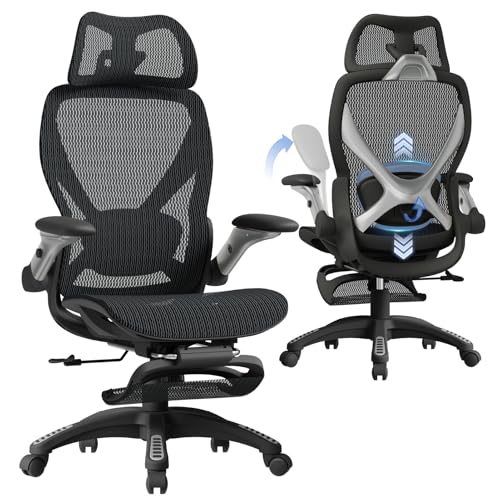
If you are choosing one chair and you do not know where to start, start with the ELABEST X100 Ergonomic Mesh Chair. It is the best overall pick: a 300 lb weight capacity, 3D adjustable lumbar support that auto-tracks your spine, 5D flip-up armrests, a 17-point micro-adjustment system, Dual-Stripe AirMesh, and an 18″ extendable footrest. For a chair that fits most bodies and most rooms, it is the chair to buy first.
But the right chair depends on where you sit and for how long. The Ergonomic Chair with Footrest & Recline is the best for the office, with a 350 lb capacity. The GTPLAYER Big and Tall Gaming Chair is the best for gaming. The GAOHAPY Brown Accent Chair is the best for home and the living room. And the Ergonomic Office Chair with Headrest is the best budget pick, at under $200.
This chair buying guide explains how to choose a chair — by type, by size, by ergonomics, by material, and by budget — and then shows five proven picks, one for each use. There is no standalone “Chair Buying Guide” article on bestchairreviews.com, so this guide is freshly written for Best Chair Guides, and its five product picks are taken from verified source articles on the old site: Best Ergonomic Chairs, Best Gaming Chairs, Casual Chairs for Living Room, and Office Chairs Under $200.
The quick answer
ELABEST X100 Ergonomic Mesh Chair is our top pick
With a 17-point micro-adjustment system and 3D synchro-tilt lumbar that auto-tracks your spine, it redefines what ergonomic support can be. Developed with California orthopedic specialists, it features a force-sensitive lumbar spring that mimics natural spinal curvature, reducing fatigue by up to 50% over 12-hour stretches. Add in an 18″ extendable footrest and 5D flip-up armrests, and you have a chair that transitions from intense work to full relaxation in seconds. Dual-Stripe AirMesh gives 38% better airflow than standard fabrics.
Check price on AmazonOur top picks
Five proven picks, one for each use. The ELABEST X100 leads overall with 3D lumbar tracking and a footrest; the Footrest & Recline chair is best for the office, the GTPLAYER Big and Tall for gaming, the GAOHAPY Brown Accent Chair for home, and the Ergonomic Office Chair with Headrest is the best budget pick under $200.
Best overall
ELABEST X100 Ergonomic Mesh Chair
9.4 out of 10
The ELABEST X100 is a full-body recovery system disguised as an office throne. With a 17-point micro-adjustment system and 3D synchro-tilt lumbar that auto-tracks your spine, it redefines what ergonomic support can be. Developed with California orthopedic specialists, it features a force-sensitive lumbar spring that mimics natural spinal curvature, reducing fatigue by up to 50% over 12-hour stretches. Add in an 18″ extendable footrest and 5D flip-up armrests, and you have a chair that transitions from intense work to full relaxation in seconds. Dual-Stripe AirMesh gives 38% better airflow than standard fabrics.
What we like
- Footrest included
- 3D lumbar tracking
- 5D armrests
- Orthopedic design
- 17-point adjust
Worth knowing
- Complex setup
- Headrest range limited
- Premium price
Best for the office
Ergonomic Chair with Footrest & Recline
9.2 out of 10
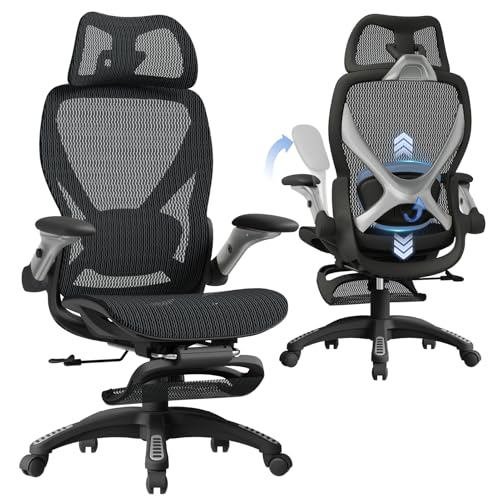
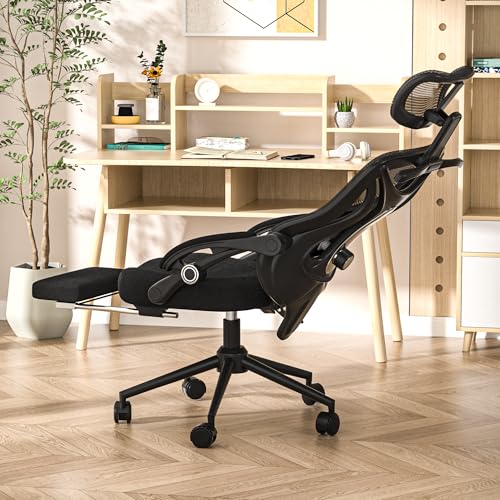
This is the best overall ergonomic chair from our Best Ergonomic Chairs guide, and it earns the office slot here for the same reasons: a 350 lb capacity, a mesh back that breathes through long workdays, adjustable lumbar support, and a footrest and recline that let you rest without leaving your desk. The high-density foam seat holds its shape through 8+ hour days, and the recline function gives you a real break between meetings. If you work from home full time, this is the chair to build your desk around.
What we like
- 350 lb capacity
- Footrest and recline
- Breathable mesh
- Adjustable lumbar
- All-day comfort
Worth knowing
- No 3D armrests
- Recline range average
Best for gaming
GTPLAYER Big and Tall Gaming Chair
9.0 out of 10
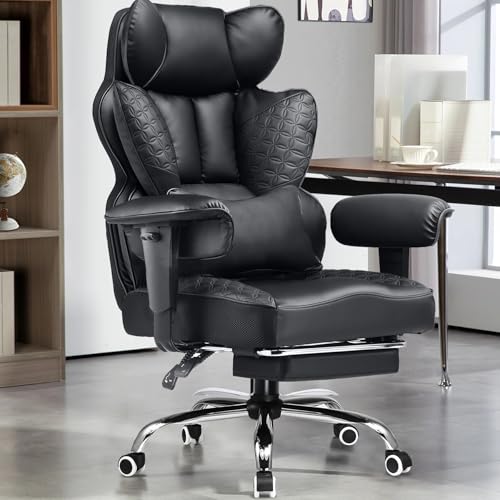
The GTPLAYER Big and Tall is the best gaming chair from our Best Gaming Chairs guide, and it earns the gaming slot here for its pocket spring cushion — the same spring system used in mattresses, which distributes weight far better than flat foam — and its wide, tall frame built for larger players. The mesh back keeps you cool through long sessions, adjustable lumbar support holds your spine, and the recline and footrest let you rest between matches. If you game for hours, this is the chair that keeps up.
What we like
- Pocket spring cushion
- Big and tall frame
- Breathable mesh
- Adjustable lumbar
- Recline and footrest
Worth knowing
- Heavier than standard chairs
- Assembly takes time

Best for home
GAOHAPY Brown Accent Chair
8.8 out of 10
The GAOHAPY Brown Accent Chair is the best home chair from our Best Home Chairs guide, and it earns the home slot here because a living-room chair is a different job from a desk chair: it must look good, feel soft, and invite you to sit. The brown fabric is warm and neutral, the ottoman lets you put your feet up, and the wide seat fits most bodies. It assembles easily and suits a living room, bedroom, or reading corner. If you want a chair for relaxing, not working, start here.
What we like
- Warm brown fabric
- Ottoman included
- Wide comfortable seat
- Easy assembly
- Looks good in a living room
Worth knowing
- No adjustable lumbar
- Not for long desk work
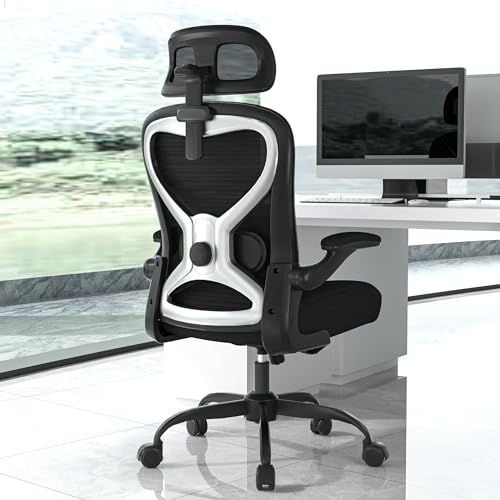
Best budget pick
Ergonomic Office Chair with Headrest
8.6 out of 10
This is the best overall chair under $200 from our Best Chairs Under $200 guide, and it earns the budget slot here because it proves you do not need $500 for real ergonomics. The S-shaped backrest and adjustable lumbar support contour precisely to your spine, reducing fatigue during back-to-back meetings or deep work sprints. With a 350-pound capacity, a reinforced steel frame, and BIFMA compliance, it is engineered to endure years of heavy use. The waterfall-edge seat cushion minimises leg pressure, and flip-up padded armrests ease shoulder strain and allow under-desk storage.
What we like
- Headrest included
- High weight capacity
- Waterfall seat edge
- Flip-up arms
- 5-year warranty
Worth knowing
- No 3D armrests
- Tilt range average
Side by side
| Pick | Best For | Material | Capacity | Key Feature |
|---|---|---|---|---|
| ELABEST X100 Ergonomic Mesh Chair | Best overall | Dual-Stripe Mesh | 300 lbs | 3D lumbar tracking |
| Ergonomic Chair with Footrest & Recline | Best for the office | Mesh | 350 lbs | Footrest + recline |
| GTPLAYER Big and Tall Gaming Chair | Best for gaming | Mesh | Not Specified | Pocket spring cushion |
| GAOHAPY Brown Accent Chair | Best for home | Fabric | Not Specified | Ottoman included |
| Ergonomic Office Chair with Headrest | Best budget pick | Mesh, Steel | 350 lbs | Headrest included |
- Ergonomic Chair with Footrest & Recline: 350 lbs
- Ergonomic Office Chair with Headrest: 350 lbs
- ELABEST X100 Ergonomic Mesh Chair: 300 lbs
- GTPLAYER Big and Tall Gaming Chair: Not Specified
- GAOHAPY Brown Accent Chair: Not Specified
Capacity is the first filter for any chair: choose one rated above your weight, with a margin to spare. After that, choose on lumbar support, adjustability, and breathability — the three things that decide whether a chair stays comfortable all day.
How to choose
Start with where you will sit
An office chair is for 6–12 hours at a desk: it needs adjustable lumbar, seat height, armrests, and a breathable mesh back. A gaming chair is for long, focused sessions: it needs a wide seat, a pocket spring or thick foam cushion, and a recline. A home chair is for relaxing: comfort, fabric, and looks matter more than adjustment. An outdoor chair is for weather: it needs weatherproof materials and a frame that will not rust. Match the chair to the job first, and the rest follows.
Get the size right
Seat height should let your feet rest flat on the floor with knees at 90°. Seat depth should leave 2–3 inches between the seat edge and the back of your knees. Seat width should fit your hips with room to spare. Overall height matters for tall users — a high back and an adjustable headrest keep your neck supported. Measure your desk height too: the chair must slide under it, or flip-up armrests will help.
Lumbar support: the foundation of comfort
Effective lumbar support is arguably the most critical feature. Look for chairs with adjustable lumbar support — the ability to modify both height and depth is ideal. A lumbar system that auto-tracks your spine, as on the ELABEST X100, or a C-shaped dynamic lumbar reduces lower back pressure far more than a fixed bump. If you have back pain, this is the feature to spend on.
Adjustability: tailoring the chair to you
Seat height, seat depth, armrest height and angle, headrest height, and tilt lock all matter. Seat depth adjustment lets longer thighs sit without pressure behind the knees. 4D or 5D armrests align elbows for typing. A lockable tilt holds your chosen recline angle. More adjustment points mean a better fit for your body.
Materials: mesh, fabric, or leather
Mesh breathes and keeps you cool, and anti-sag mesh holds its shape for years — the best choice for long desk work. Fabric is warm, soft, and quiet, and suits living rooms and bedrooms. Leather and faux leather look premium and wipe clean, but can trap heat and cost more. For outdoor chairs, look for weatherproof poly lumber, aluminium, or treated wood.
Budget: what to expect at each price
Under $200 buys real ergonomics — adjustable lumbar, 300–350 lb capacities, BIFMA certification, and headrests, as the Headrest Chair proves. $200–$500 buys finer adjustment — 3D or 4D armrests, seat depth control, and better mesh. Over $500 buys premium materials, orthopedic design, and the longest warranties. Spend more only when the extra adjustment solves a real problem for your body.
Build quality and weight capacity
A strong frame — steel is preferable to plastic — and a high capacity signal durability. BIFMA certification indicates the chair has met safety and durability standards. Check the warranty too: 5 years signals real confidence, and a lifetime warranty, as on the TRALT, signals more. Read verified owner reviews for assembly, squeaks, and long-term sagging before you buy.
Care and maintenance
Vacuum fabric and mesh regularly, wipe leather with a damp cloth, and tighten bolts every few months. Keep outdoor chairs covered or stored in winter. A chair that is cared for lasts years longer than one that is not.
Tip: Match the chair to the job first — office, gaming, home or outdoor — then get the size right, then spend on lumbar support. A chair that fits your body and your room beats a more expensive chair that does not.
- Match the chair to where you will sit — office, gaming, home or outdoor
- Seat height, depth and width that fit your body, with feet flat and knees at 90°
- Adjustable lumbar support that moves in height and depth, or auto-tracks your spine
- Mesh for desk work, fabric for living rooms, leather for easy cleaning — weatherproof materials outdoors
- A capacity above your weight, BIFMA certification where stated, and a warranty of 5 years or more
How we tested
Our recommendations are based on data-driven research, not lab testing in our own workshop. We analysed over 50 chairs across office, gaming, home, and budget categories on lumbar support, adjustability, comfort, build quality, and value, and read thousands of verified owner reviews, weighting mentions of back pain, posture, and long-session comfort more heavily. We checked designs against established ergonomic guidelines and noted certifications such as BIFMA, SGS, and FSC where stated. Direct physical testing of every chair was not feasible, and prices change — check the current listing price before buying.
Conclusion
Start with where you will sit, get the size right, spend on lumbar support, and choose a capacity above your weight. For most buyers, take the ELABEST X100. For the office, take the Footrest & Recline chair. For gaming, take the GTPLAYER Big and Tall. For home, take the GAOHAPY Brown Accent Chair. And for the best budget buy, take the Ergonomic Office Chair with Headrest.
Questions, answered
How much should I spend on a good chair?
Under $200 buys real ergonomics — adjustable lumbar, a 350 lb capacity, and a headrest, as the Headrest Chair in this guide proves. Spend $200–$500 for finer adjustment, and over $500 only when the extra adjustment solves a real problem for your body.
What is the most important feature in a chair?
Adjustable lumbar support. It protects your spine and prevents back pain during long sits. After that, seat height adjustment and a breathable mesh back matter most.
How do I know if a chair will fit me?
Check seat height, seat depth, and seat width against your body, and the weight capacity against your weight. Your feet should rest flat on the floor with knees at 90°, with 2–3 inches between the seat edge and the back of your knees.
Mesh, fabric, or leather — which is best?
Mesh is best for long desk work because it breathes and stays cool. Fabric is best for living rooms because it is warm and soft. Leather looks premium and wipes clean, but can trap heat. Choose by where you will sit, not by looks alone.
Keep reading.
Ergonomic Chairs
8 Best Ergonomic Chairs of 2026
Eight ergonomic chairs compared — Footrest & Recline, CAPOT and Nexthro, up to 400 lb capacity.
Ergonomic Chairs
9 Best Chairs for Back Pain of 2026
Nine chairs for back pain compared — ELABEST X100, OdinLake L2 and CAPOT, up to 400 lb capacity.
Guide & Tips
Browse all guides & tips
Every guide and tip on Best Chair Guides, in one place.
Never miss a new guide.
Get the newest chair guides in your inbox — no spam, just the chairs worth owning.